Designing Around Chesterfields: How They Shape Room Layouts
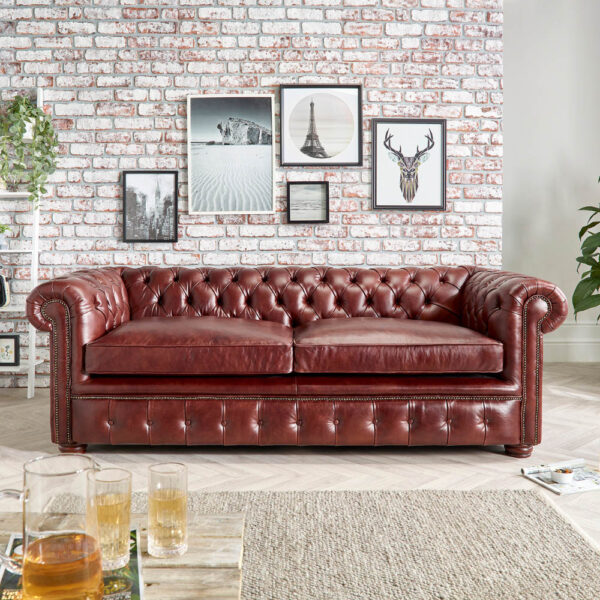
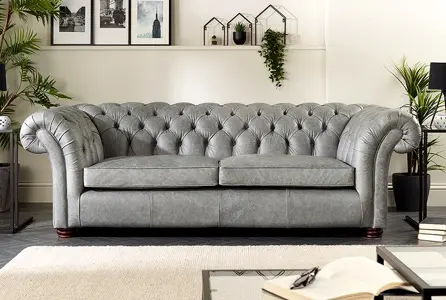
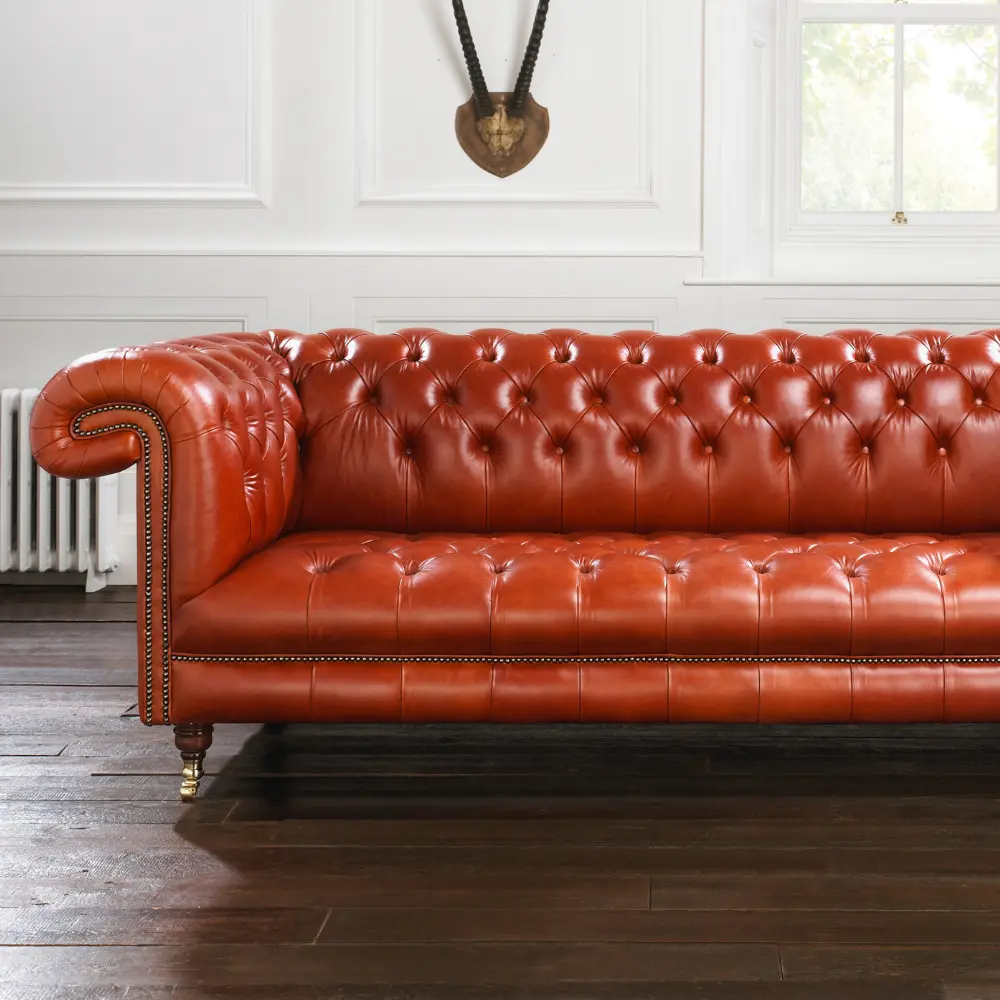
A Chesterfield isn’t just another sofa you place against a wall and forget about. It tends to shape the room around it, almost without trying. With its deep tufting, structured arms and strong silhouette, it naturally draws attention. And once it’s in place, everything else in the room starts to follow its lead.
That’s why designing around Chesterfields feels a little different compared to working with more minimal or modern sofas. You’re not just filling a space. You’re building a layout around a centerpiece.
So if you’re wondering how to position a Chesterfield and make the most of it, here’s a more practical way to think about it.
Start by Letting the Chesterfield Lead
The first instinct in many living rooms is to place the sofa against a wall. And sometimes that works. But with a Chesterfield couch, it’s worth pausing for a second.
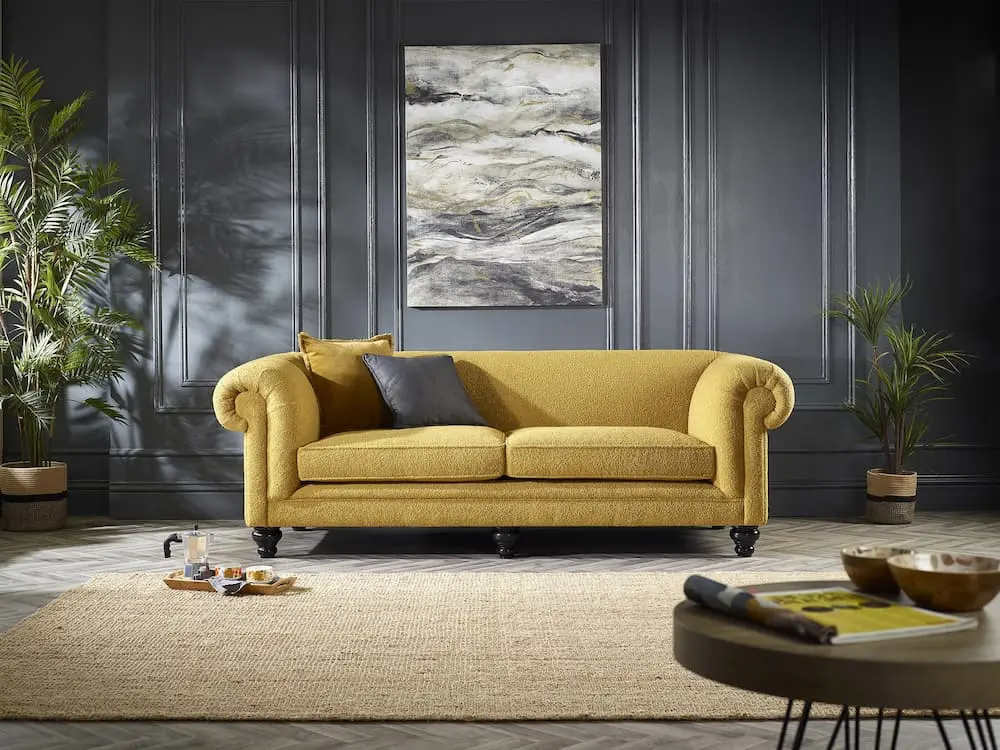
Because of its shape and presence, it often works better when it’s slightly more central. Not necessarily floating in the middle of the room, but positioned in a way that allows it to be seen from more than one angle.
In larger spaces, placing it opposite a focal point like a fireplace or a window works really well. In smaller rooms, even pulling it just a few inches away from the wall can make the layout feel more intentional.
It’s a small shift, but it changes how the whole room feels.
Build a Layout That Encourages Conversation
One thing Chesterfields do particularly well is create a sense of structure. And that makes them ideal for layouts that revolve around conversation.
Instead of lining up all your furniture along the edges, try creating a more connected seating arrangement.
For example:
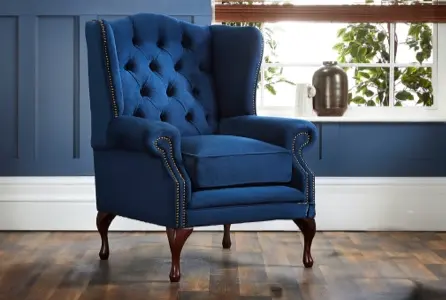
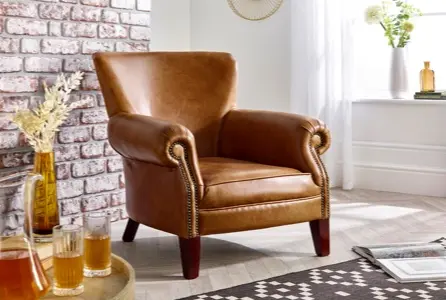
- Pair the Chesterfield sofa with two chairs opposite or angled toward it
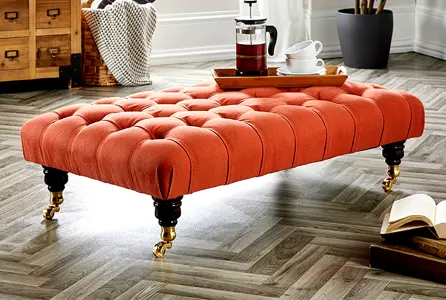
- Add a central coffee table to anchor the space
- Keep seating within a comfortable distance so people can talk without leaning forward
This kind of setup feels more natural when guests are over. It also makes the room feel more balanced, rather than stretched out.
Think About Proportions, Not Just Placement
It’s easy to focus on where furniture goes, but proportions matter just as much.
A Chesterfield sofa layout works best when the surrounding pieces complement its scale. If your sofa is bold and substantial, lighter or slimmer furniture can help balance it out.
For instance, a glass or light wood coffee table can soften the look, while slim armchairs prevent the space from feeling too heavy.
At the same time, if everything around the Chesterfield is oversized, the room can start to feel crowded. So it’s really about finding that middle ground.
Use Rugs to Define the Space
A well-placed rug can completely change how a layout feels.
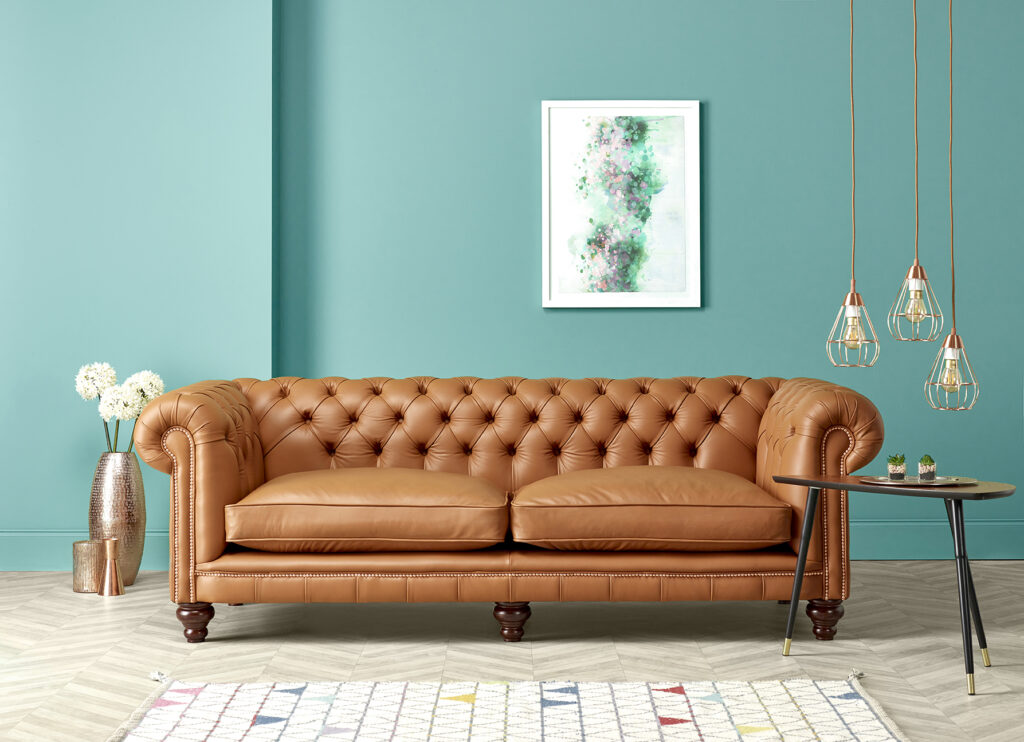
When working with a room layout with sofa, especially a statement piece like a Chesterfield, a rug helps anchor everything. It visually connects the seating area and makes it feel like a defined zone rather than separate pieces.
Ideally, the front legs of the sofa and chairs should sit on the rug. This creates a sense of cohesion without making the space feel boxed in.
It’s a simple trick, but it makes a noticeable difference.
Leave Space to Move Naturally
One thing that often gets overlooked is how people move through the room.
When you’re designing around Chesterfields, it’s important to leave enough space for people to walk comfortably. The layout should feel open, not like you’re navigating around obstacles.
A good rule is to keep clear pathways between key areas. That might mean leaving space behind the sofa or ensuring there’s enough room between the coffee table and seating.
It doesn’t have to be perfect, just practical.
Let the Chesterfield Set the Tone
Beyond layout, a Chesterfield also influences the overall feel of the room.
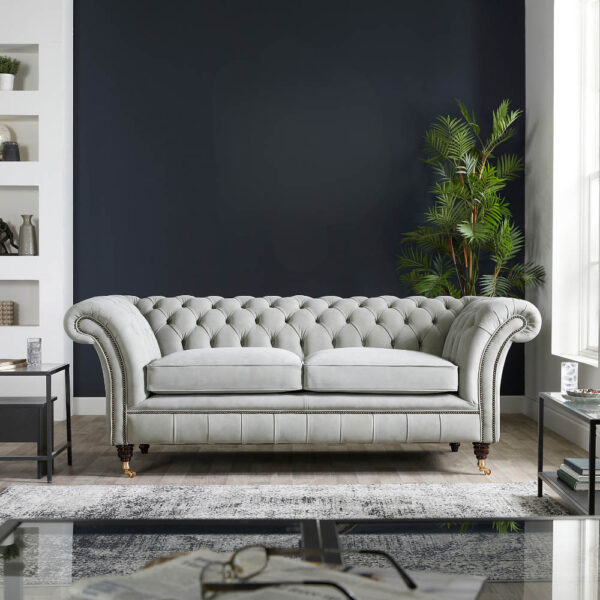
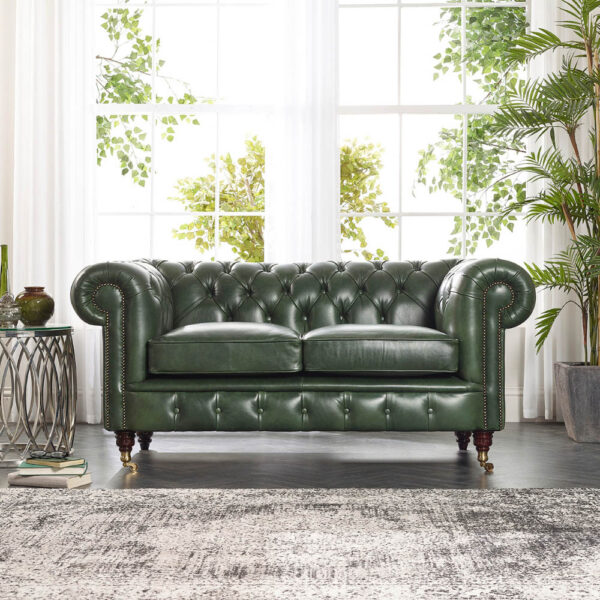
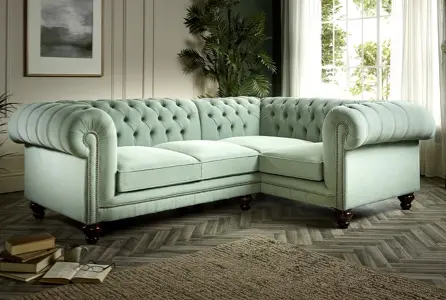
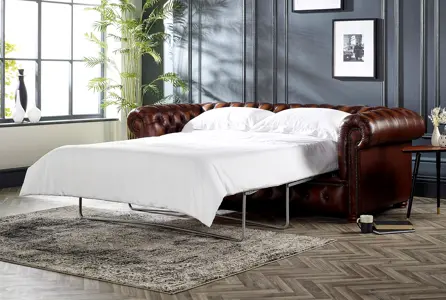
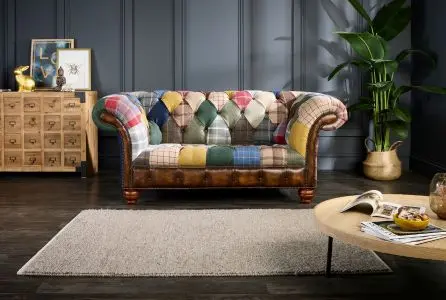
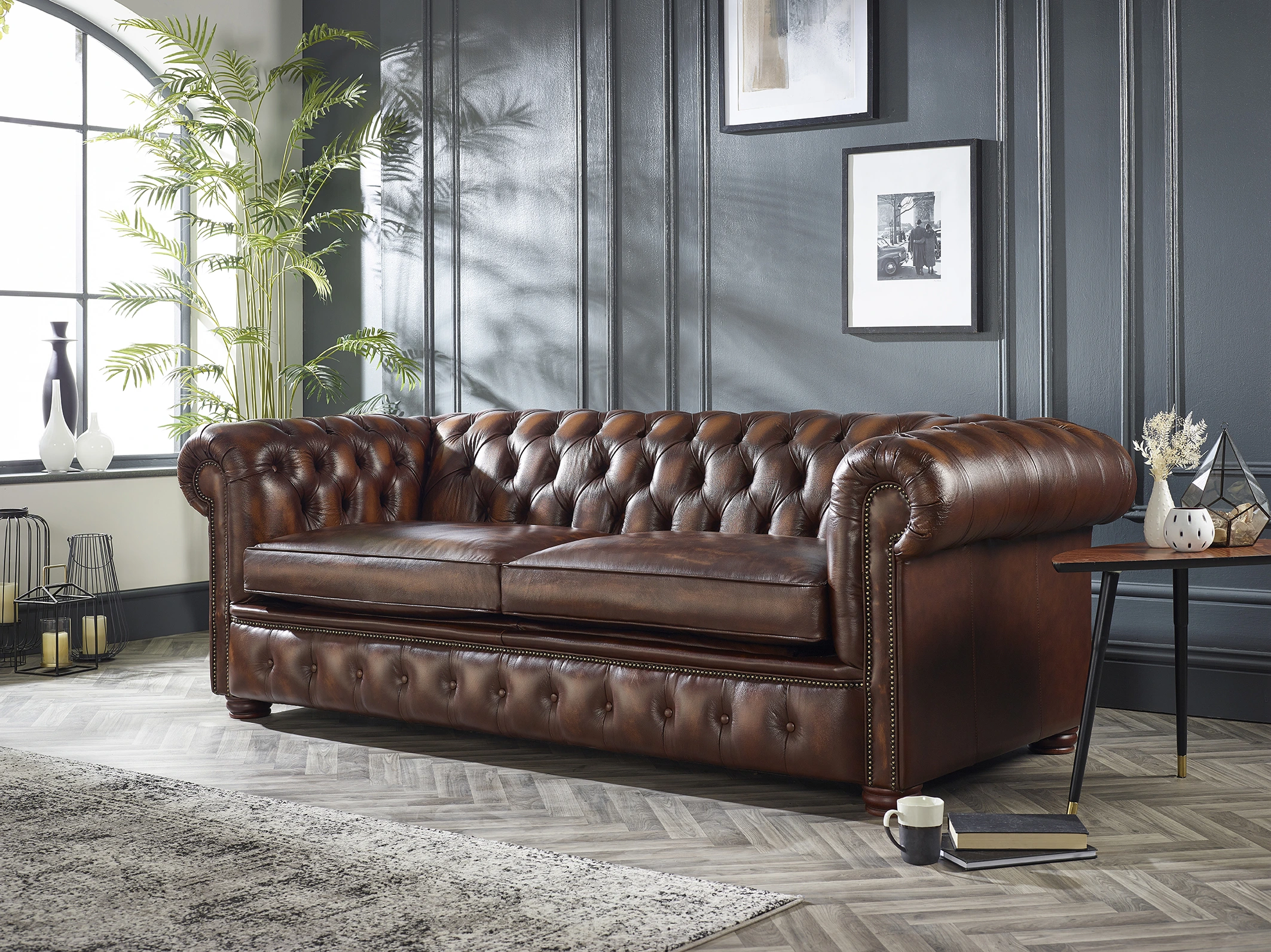
A dark leather Chesterfield might lead you toward warmer tones and natural materials. A velvet one might encourage softer textures and lighter palettes.
You don’t need to match everything exactly, but it helps to let the sofa guide your choices. It keeps the space feeling cohesive rather than pieced together.
Designing a room around a Chesterfield is less about strict rules and more about understanding how the piece naturally fits into the space. It tends to anchor the layout, encourage conversation and set the tone for everything around it. Once you recognize that, the rest becomes much easier.
Instead of forcing the room to work, you’re simply building around a piece that already knows how to hold its own.
Explore the handcrafted collection at Distinctive Chesterfields to find sofas designed to shape your space with both character and comfort.
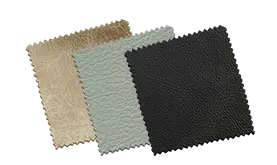
Five samples, posted free Order your swatches
Screens lie about color. Order five leather or fabric swatches and see them in your own light before you spend anything.