Leather Chesterfields Through the Decades: A Design Timeline
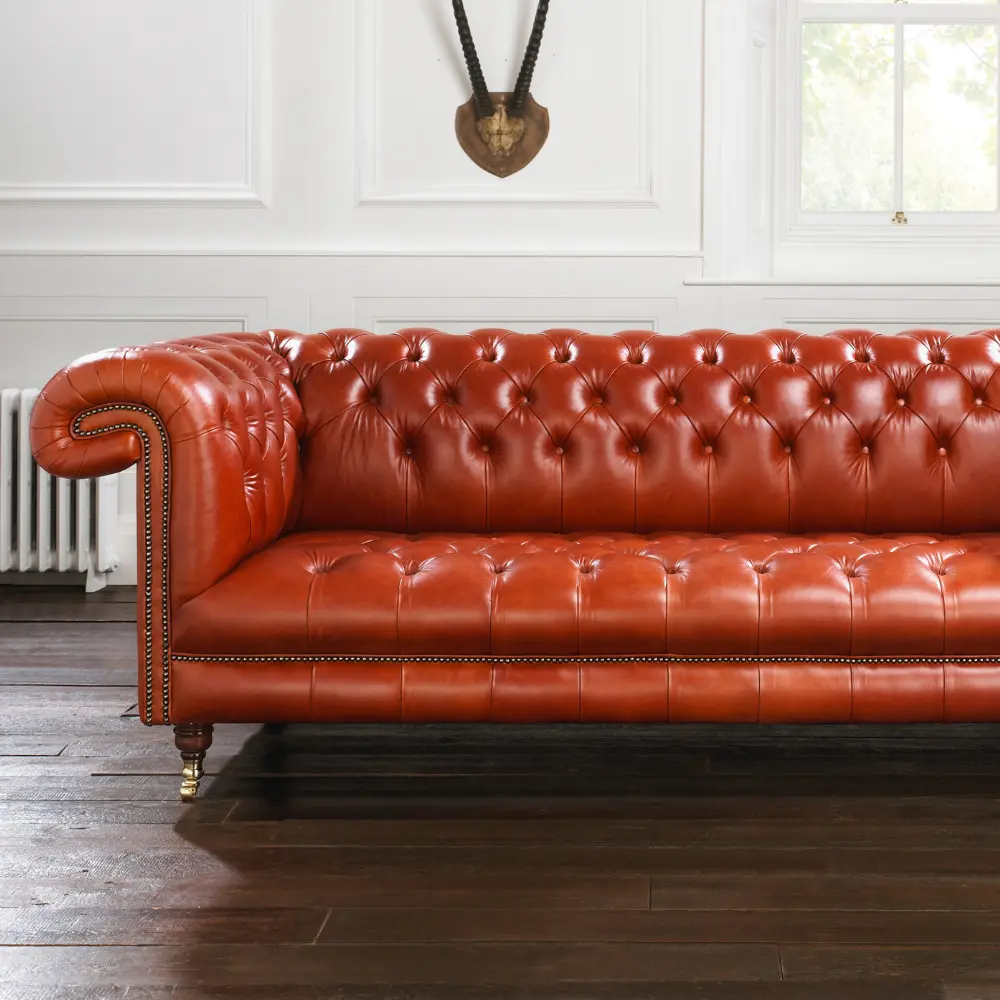
A few furniture designs come and go with changing trends. Others somehow manage to stay relevant decade after decade. The Leather Chesterfield sofa falls firmly into the second category. Walk into a traditional library, a luxury hotel lobby, a contemporary apartment or even a modern loft and there’s a good chance you’ll find a Chesterfield sitting proudly at the center of the room. Its deep button tufting, rolled arms and unmistakable silhouette have become icons of furniture design.
What’s remarkable is how the Chesterfield has evolved over the years while still remaining instantly recognizable. Let’s take a journey through the decades and explore how leather Chesterfields have adapted to changing tastes, lifestyles and interiors.
The Origins: The 18th Century
The story of the Chesterfield begins in England during the 1700s. While the exact origins are debated, many historians believe the design was commissioned by the Fourth Earl of Chesterfield, who wanted a piece of furniture that allowed gentlemen to sit comfortably without wrinkling their clothing.
The result was revolutionary for its time:
- Deep button tufting
- Equal-height back and arms
- High-quality leather upholstery
- Exceptional craftsmanship
The early Chesterfield quickly became associated with sophistication and status. It was commonly found in gentlemen’s clubs, stately homes and private libraries.
The Victorian Era: A Symbol of Prestige
During the 19th century, Chesterfields became increasingly popular throughout Britain and beyond.
Victorian interiors were known for their richness and detail, making the Leather Chesterfield a perfect fit. Dark woods, ornate decor and luxurious textiles complemented the sofa’s elegant appearance.
This was also the period when handcrafted upholstery techniques became more refined. Skilled craftsmen spent countless hours creating the deep buttoning and hand-finished details that are still admired today. Owning a Chesterfield was considered a sign of refinement and success.
The Early 1900s: Expanding Beyond Formal Spaces
As homes became more diverse in design, Chesterfields started appearing outside traditional libraries and drawing rooms.
The early 20th century saw the rise of:
- Private studies
- Hotel lounges
- Office reception areas
- Exclusive social clubs
The classic leather sofa retained its prestige but became more accessible to a broader audience. While the design remained largely unchanged, manufacturers began experimenting with different leather finishes and sizes to suit evolving lifestyles.
The Mid-Century Years: Tradition Meets Modern Living
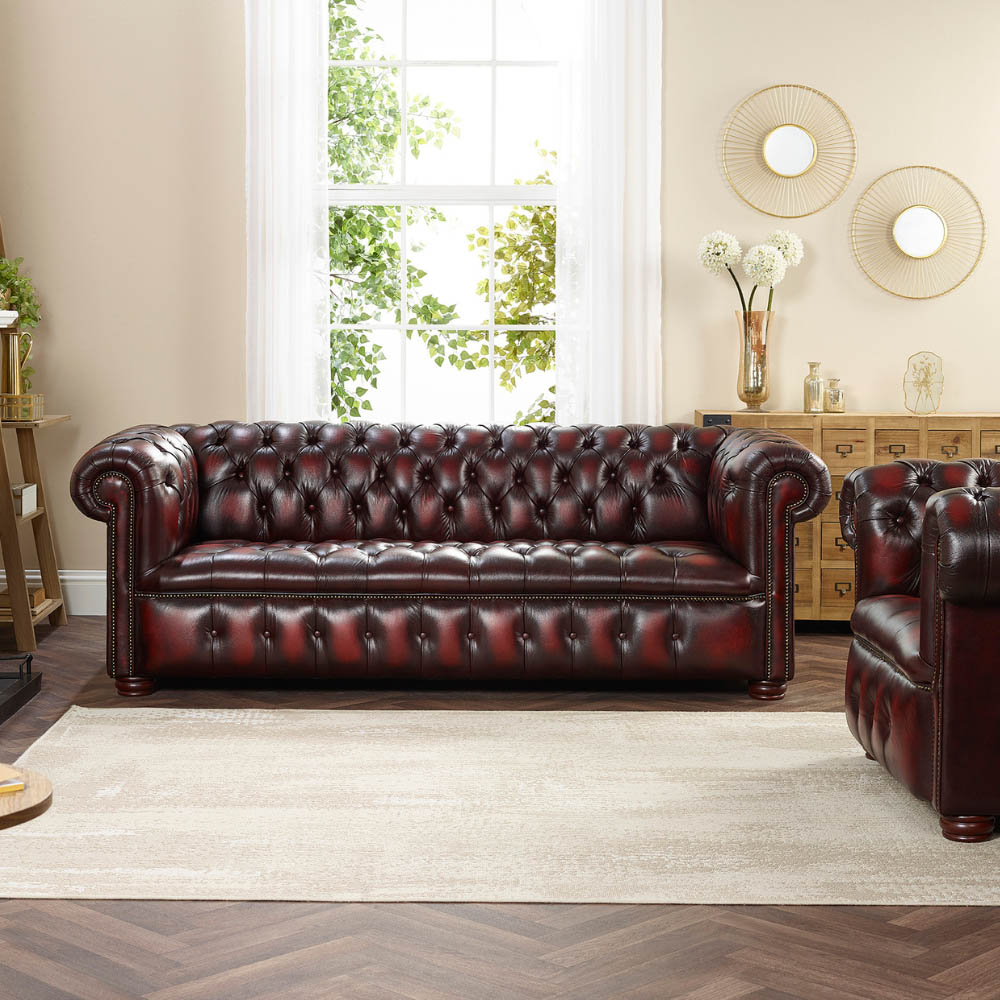
The 1950s and 1960s introduced sleek, minimalist furniture inspired by modernism. Many traditional furniture styles struggled during this period. Yet the Leather Chesterfield sofa endured. Rather than disappearing, it became a statement piece. Designers often paired it with cleaner architectural lines and simpler decor, allowing the sofa’s craftsmanship to stand out.
This era proved something important: the Chesterfield wasn’t limited to traditional interiors. It could adapt while maintaining its identity.
The 1980s and 1990s: The Rise of Vintage Appeal
By the late twentieth century, homeowners began rediscovering the charm of classic furniture.
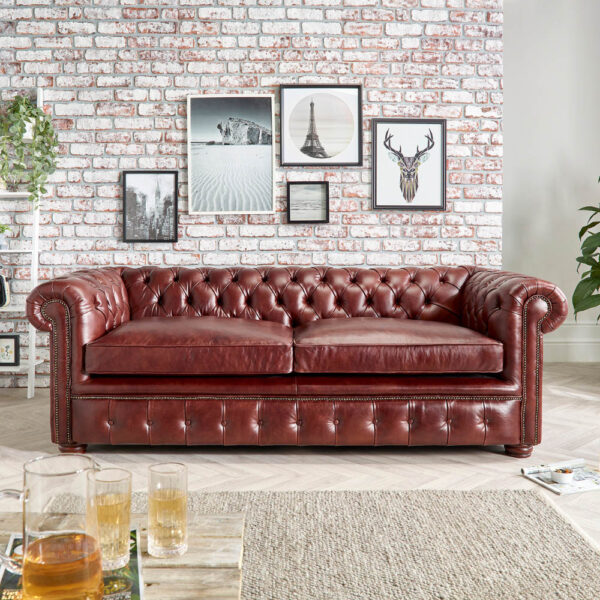
Rich brown leather Chesterfields became particularly popular in:
- Executive offices
- Libraries
- Traditional family homes
- Upscale hospitality settings
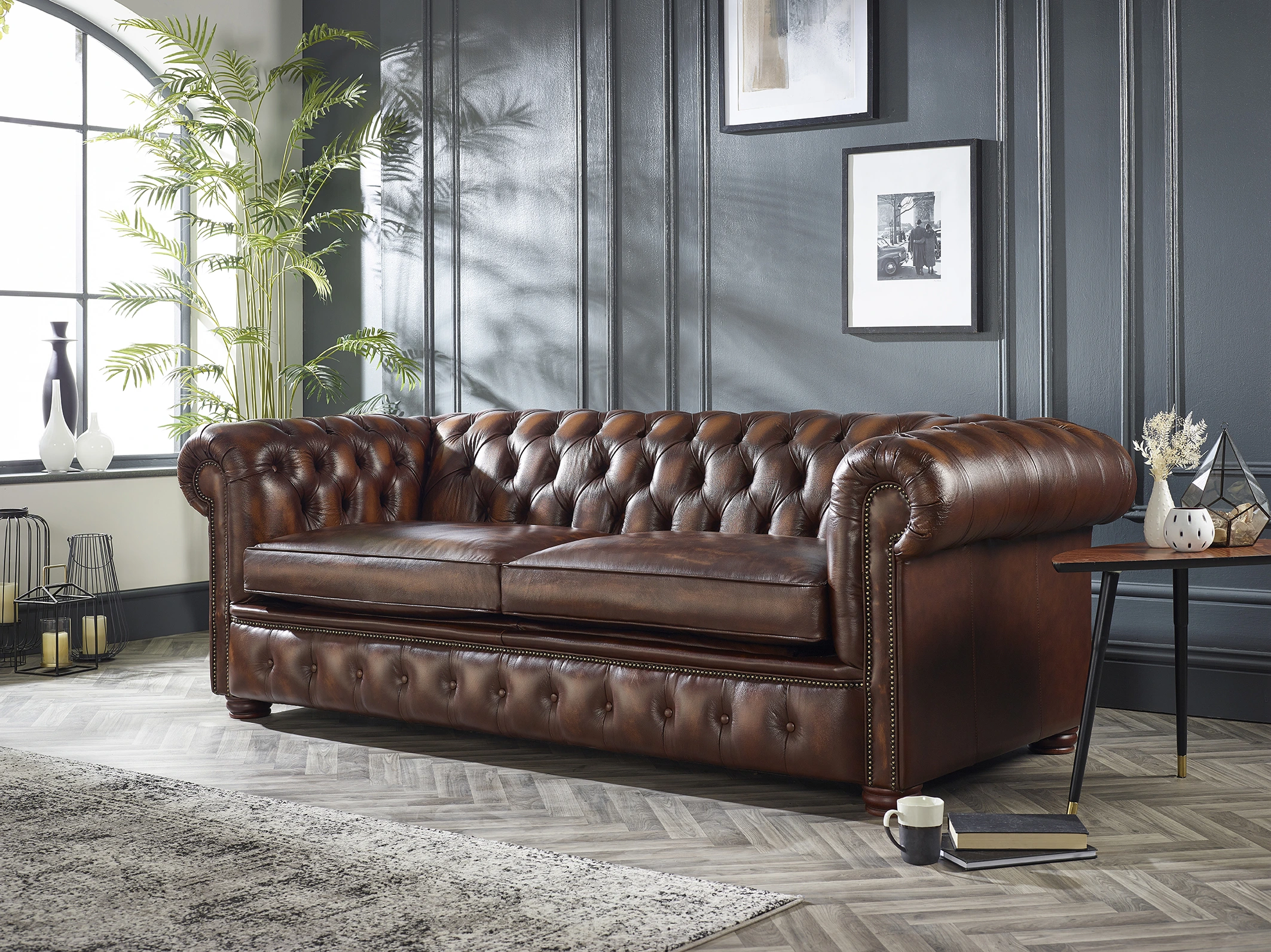
During this period, distressed and antique leather finishes gained popularity. Homeowners loved the character that aged leather brought to a room. The Chesterfield’s ability to develop a beautiful patina over time became one of its most celebrated qualities.
The 2000s: Customization Takes Center Stage
As interior design became increasingly personalized, consumers began looking for furniture that reflected their individual style.
Manufacturers responded by offering more customization options than ever before:
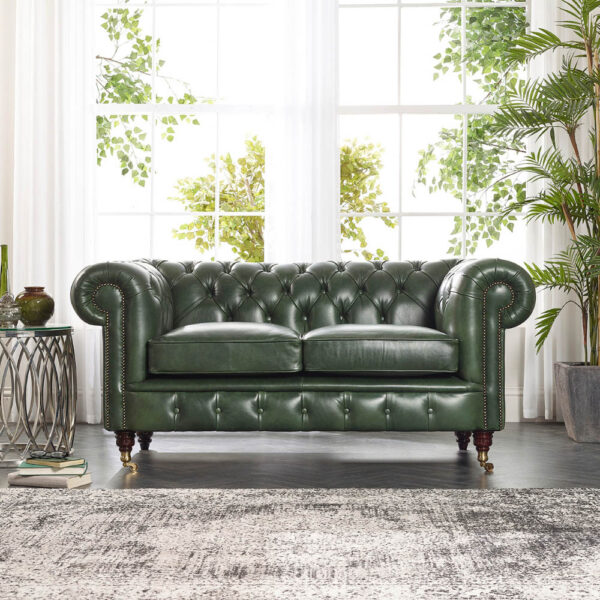
- Alternative leather colors
- Different seat depths
- Modern proportions
- Various cushion styles
- Contemporary leg finishes
The Chesterfield design evolution accelerated, proving that a centuries-old design could still feel fresh and relevant.
The 2020s and Beyond: Timeless Meets Contemporary
Today, Leather Chesterfields are enjoying another resurgence. Homeowners are increasingly drawn to furniture that offers longevity, quality and character. In a world filled with fast furniture, a handcrafted Chesterfield stands out as a lasting investment.
Modern interiors often feature Chesterfields alongside:
- Minimalist decor
- Open-plan living spaces
- Industrial-inspired finishes
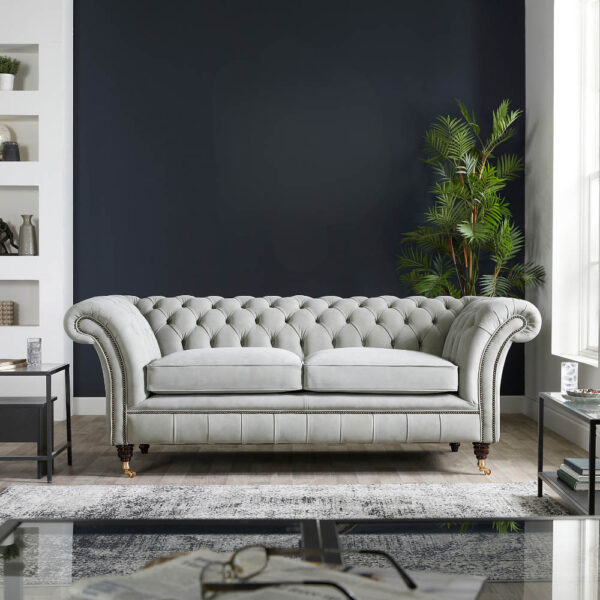
- Soft neutral color palettes
- Contemporary artwork
What makes the Chesterfield so successful is its versatility. It feels equally at home in a historic townhouse as it does in a modern apartment.
Why Leather Chesterfields Continue to Endure
Few furniture designs have survived changing fashions quite like the Chesterfield. Part of that success comes down to craftsmanship. Well-made Leather Chesterfields are built to last for decades, often becoming more beautiful with age and it’s also about balance.
The design manages to feel elegant without being overly formal. Traditional without feeling outdated. Luxurious without being impractical. That combination is surprisingly rare.
While tastes and trends continue to shift, leather Chesterfields have remained remarkably consistent in its appeal and are one of those rare pieces of furniture that feels just as relevant today as it did decades ago. Not that it never changes, but that it evolves without ever losing what made it special in the first place.
Browse the handcrafted collection at Distinctive Chesterfields and find a Chesterfield furniture that combines centuries of design tradition with modern comfort. Request free swatches, customize your perfect piece and invest in furniture that will last.
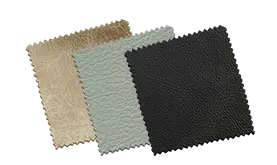
Five samples, posted free Order your swatches
Screens lie about color. Order five leather or fabric swatches and see them in your own light before you spend anything.