How Couch Edges Influence Sitting Behavior
Most people choose a sofa based on how it looks or how soft it feels at first. But there’s a small detail that often goes unnoticed and it quietly affects how you use the sofa every day. It’s the edge.
The shape, firmness and structure of couch edges play a bigger role than you might think. They influence how you sit, how long you stay comfortable and even how you interact with the space around you.
Once you start paying attention to it, you realize that couch edges influence sitting behavior in subtle but important ways.
Why Couch Edges Matter More Than You Think
When you sit down, the first part of the sofa you actually interact with is the edge of the seat. It’s where you pause before fully settling in.
If the edge is too soft, you might sink more than expected. If it’s too firm, it can feel a bit rigid. And if it’s shaped in a certain way, it can guide how you position yourself without you even noticing.
That’s why sofa edge design isn’t just about appearance. It directly affects comfort and posture.
Soft Edges Encourage Relaxed Sitting
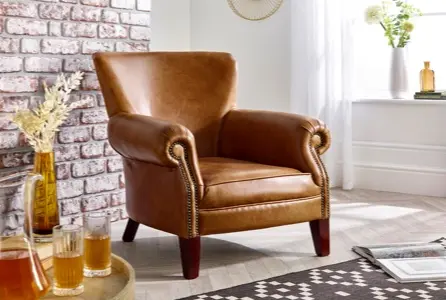
Sofas with softer, rounded edges tend to feel more inviting. You sit down and instead of holding you upright, the seat gently gives way.
This naturally leads to a more relaxed sitting position.
You might find yourself leaning back, stretching out or shifting into a more casual posture. It’s the kind of seating that works well for lounging, watching TV or simply unwinding at the end of the day.
But there’s a trade-off. While soft edges feel comfortable, they don’t always offer the best support for longer periods of upright sitting. Over time, you may find yourself adjusting your position more often.
Firmer Edges Support Better Posture
On the other hand, sofas with firmer edges create a completely different experience.
When you sit down, the edge holds its shape. This gives you a stable base and encourages a more upright position.
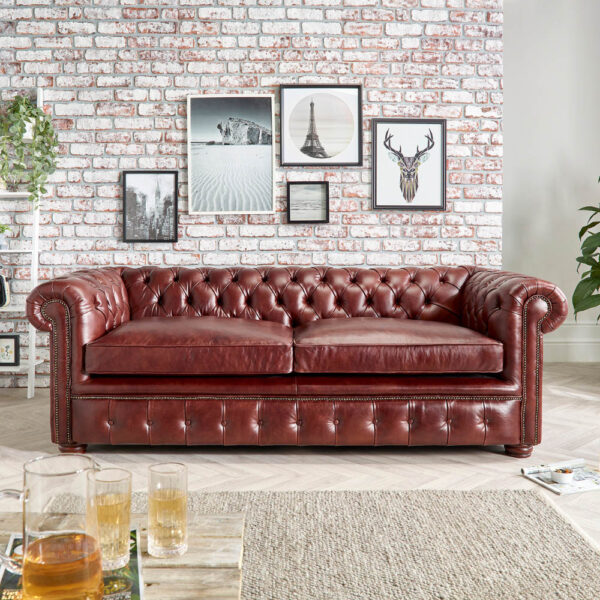
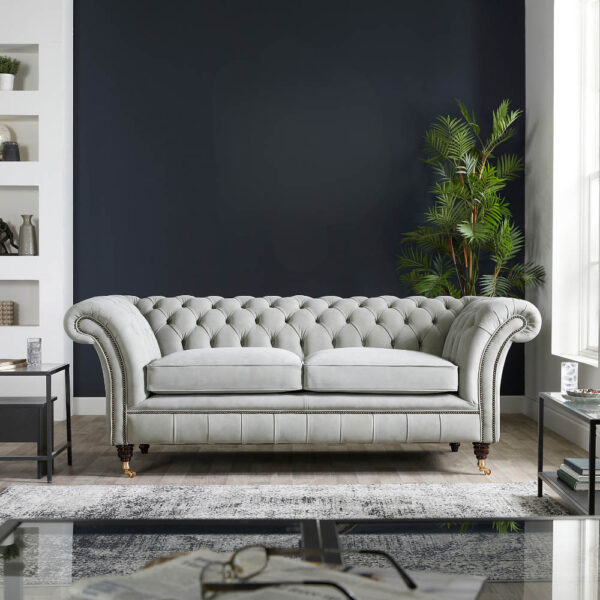
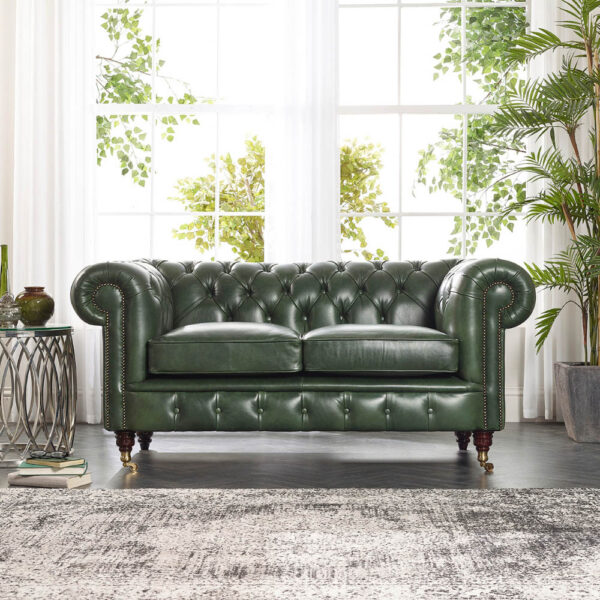
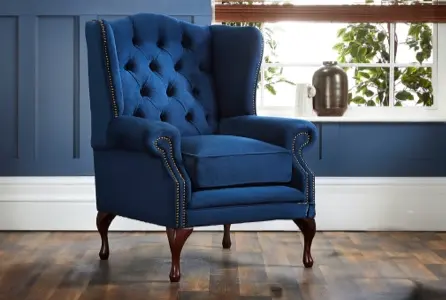
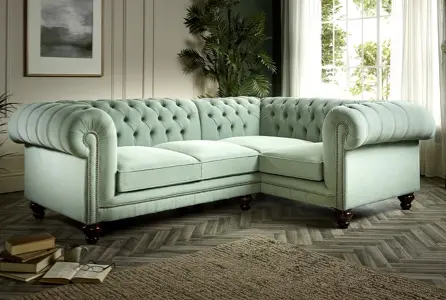
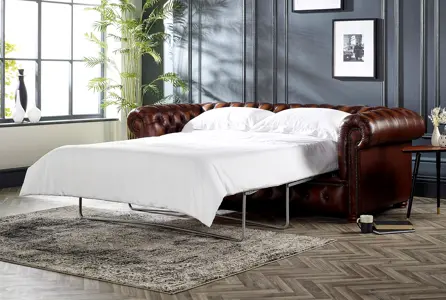
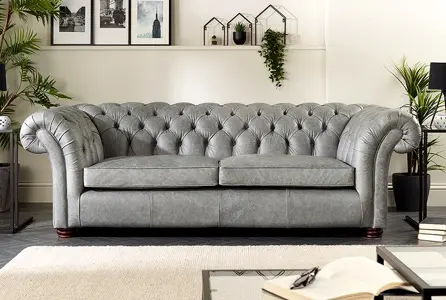
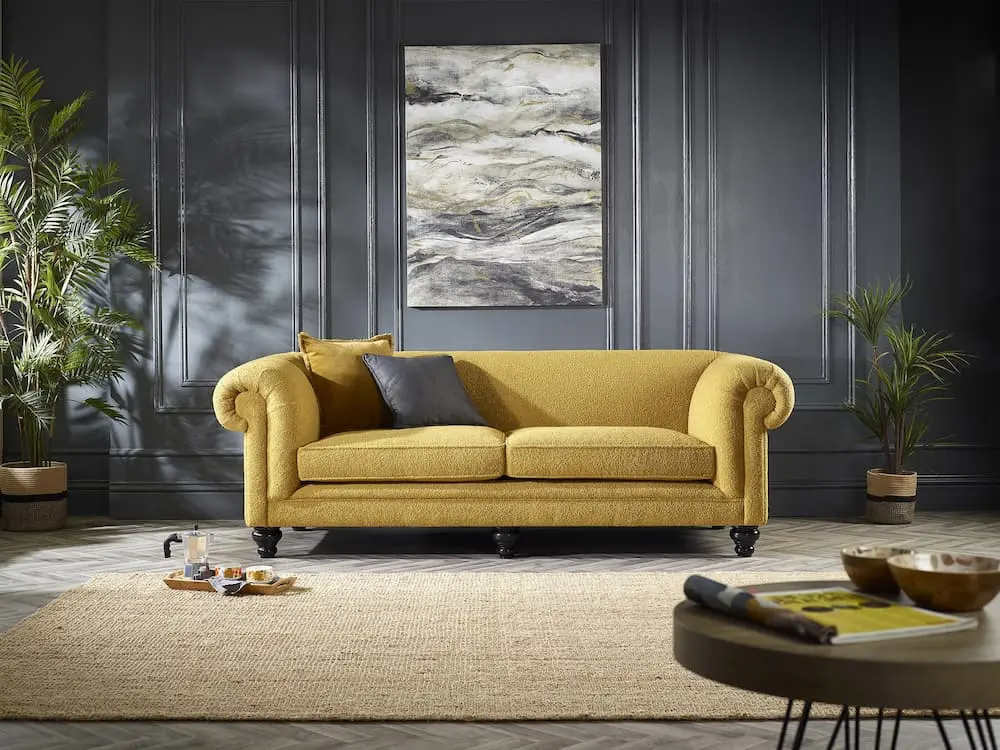
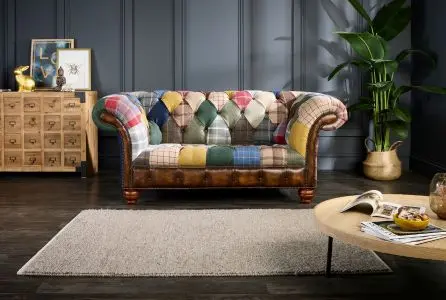
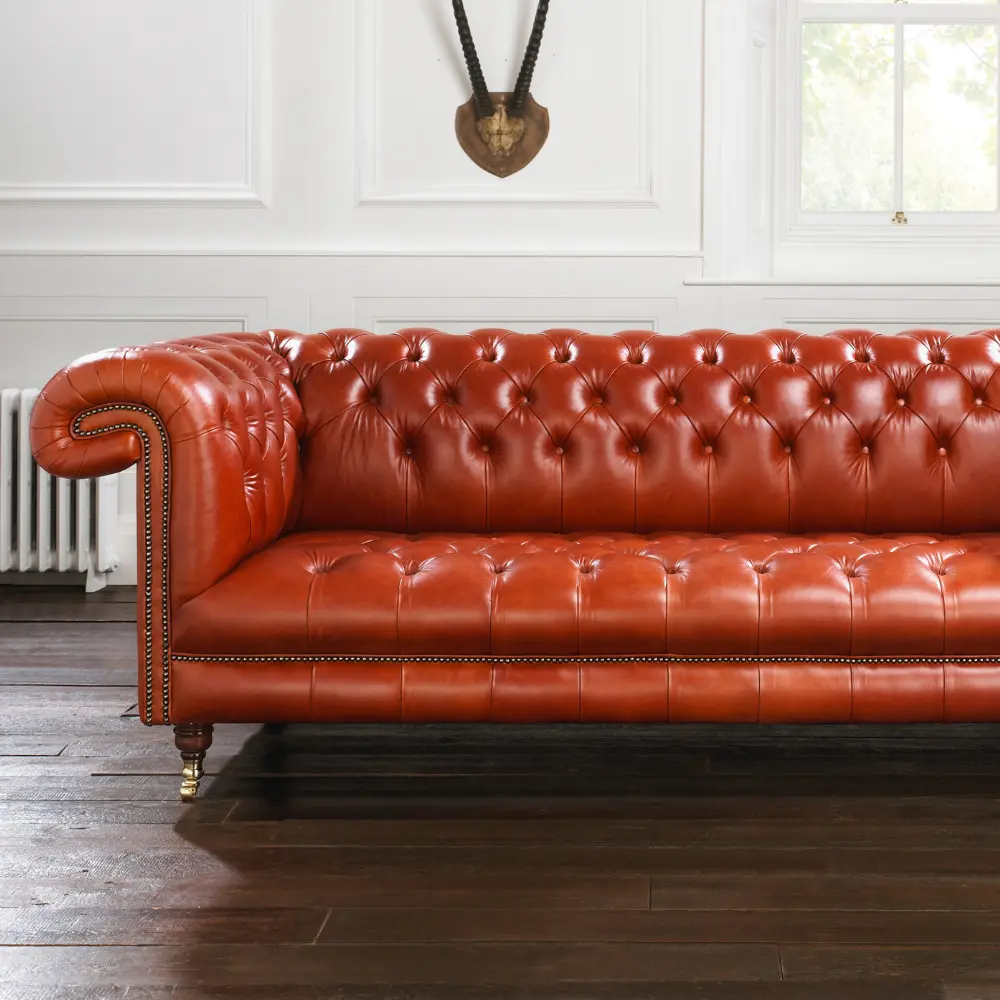
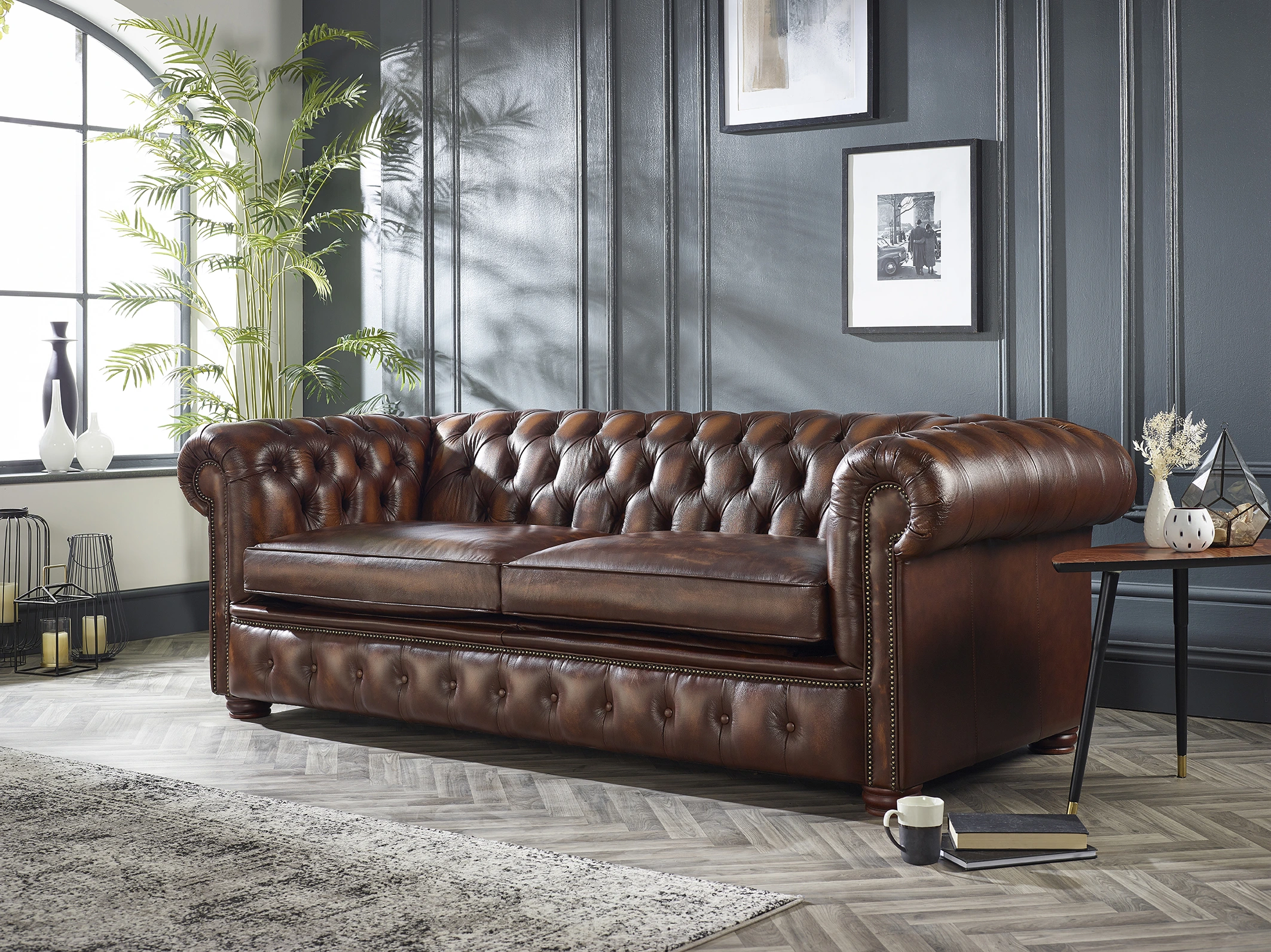
This is why firmer edges are often found in more structured designs, including traditional styles like Chesterfield sofa seating. The defined edge supports your posture without feeling uncomfortable.
It’s especially useful in spaces where the sofa is used for conversation, reading or working rather than just lounging.
The Shape of the Edge Changes Movement
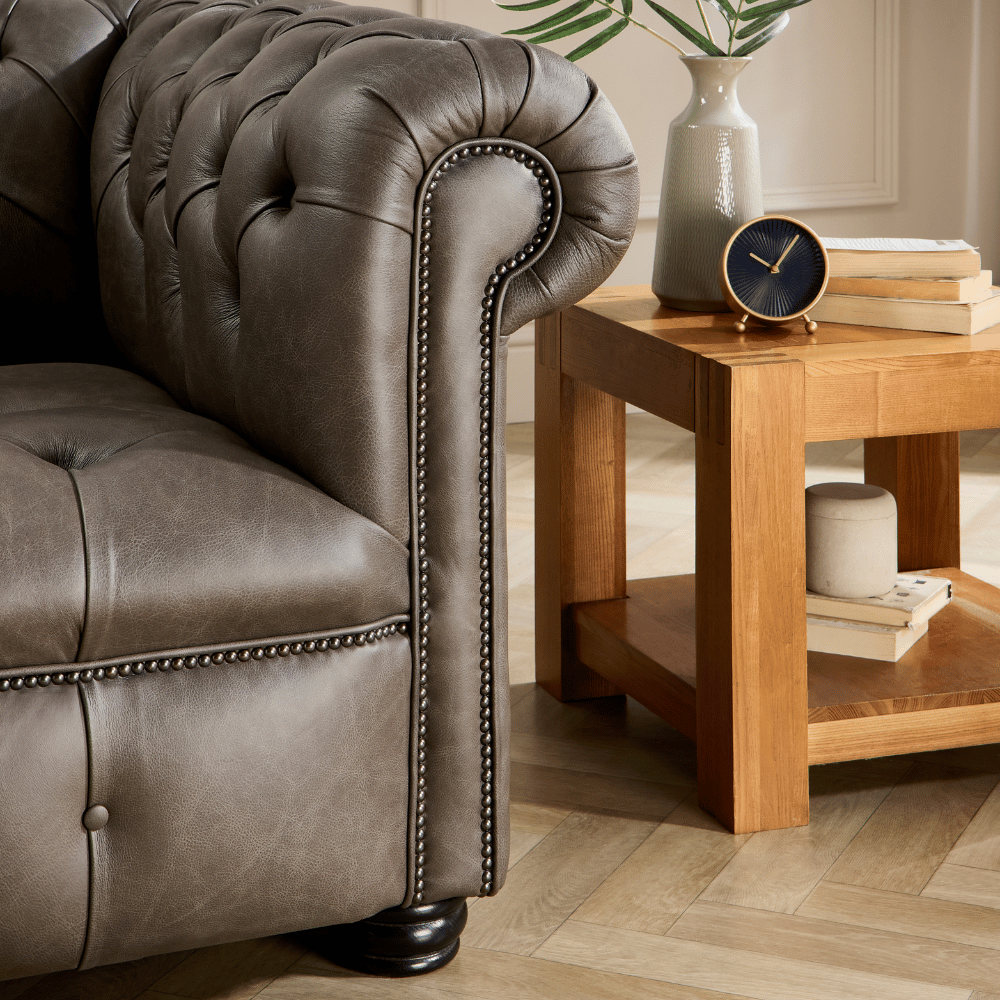
It’s not just about softness or firmness. The actual shape of the edge matters too.
A straight, clean edge tends to feel more structured. It makes it easier to sit upright and get in and out of the sofa without effort.
A rounded or sloped edge feels softer and more casual, but it can also make movement slightly less precise. You might slide forward more easily or shift positions without thinking about it.
These small differences influence how often you adjust your seating position throughout the day.
Depth and Edge Work Together
Another important factor is how the edge interacts with seat depth.
A deep sofa with a soft edge encourages lounging. You naturally lean back, tuck your legs in or stretch out.
A shallower seat with a firmer edge supports a more upright sitting style. It keeps your posture more aligned and prevents that sinking feeling.
This is why sofa ergonomics often consider both depth and edge design together rather than as separate elements.
How It Affects Social Spaces
Interestingly, couch edges also influence how people behave in shared spaces.
In a living room designed for entertaining, firmer edges tend to keep people sitting upright and engaged. It creates a setting where conversation feels more natural.
In a more relaxed environment, softer edges allow people to settle in and get comfortable quickly. The atmosphere becomes more laid-back.
It’s a small design detail, but it can subtly shape the mood of the room.
Finding the Right Balance
Like most things in interior design, it depends on how you use your space.
If your priority is comfort and relaxation, a softer edge might suit you better. If you prefer structure and support, a firmer edge is likely the right choice.
Many high-quality sofas aim for a balance. They offer enough softness to feel comfortable, but enough structure to maintain support. This is often where well-crafted pieces stand out. They’re designed with everyday use in mind, not just appearance.
It’s easy to overlook details like edges when choosing a sofa. But once you understand how they affect comfort and posture, they become much harder to ignore. The way a sofa supports you, how it encourages you to sit and how it fits into your daily routine all come back to these small design choices.
So the next time you sit on a sofa, take a moment to notice the edge. It might be doing more than you think.
Explore the handcrafted collection at Distinctive Chesterfields to find sofas designed with both comfort and thoughtful detail in mind.
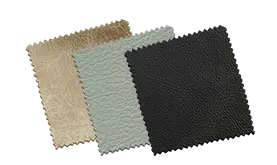
Five samples, posted free Order your swatches
Screens lie about color. Order five leather or fabric swatches and see them in your own light before you spend anything.