How Traditional Upholstery Methods Improve Leather Chesterfields
People still admire a well-made leather Chesterfield decades after it leaves the workshop. It isn’t simply because of the deep buttoning or the elegant rolled arms. Those details certainly catch your eye, but they’re only part of the story.
What really sets a handcrafted Chesterfield apart is everything you don’t immediately see. Beneath the leather sits a carefully built structure, assembled using traditional upholstery methods that have been refined over generations. It’s slower than modern manufacturing and certainly more demanding, but that’s exactly why these sofas continue to outlast so many mass-produced alternatives.
When people talk about a Chesterfield “getting better with age,” they’re usually talking about the leather. In reality, the craftsmanship underneath deserves just as much credit.
Traditional Upholstery Is More Than Just a Craft
Making a genuine Chesterfield has never been about taking shortcuts. Traditional upholstery is a hands-on process where every stage builds on the one before it. Skilled upholsterers don’t simply cover a frame with leather and call it finished. They shape the padding, adjust the fillings, pull the leather by hand and carefully position every button until everything feels balanced. It’s a job that demands patience as much as experience.
Even two sofas built from the same design can have subtle differences because each one has been worked on individually. That’s part of the appeal. Instead of looking identical to thousands of others rolling off a production line, every handcrafted Chesterfield has its own character.
A Strong Foundation Makes All the Difference
The beauty of a Chesterfield starts with what you can’t see. Before any leather is added, the frame has to be built to last. Hardwood remains the preferred choice because it provides strength without compromising stability. When that frame is properly constructed, the entire sofa feels solid from day one and stays that way for years.
Traditional upholstery works with the frame rather than simply hiding it. Every layer is fitted carefully so the finished sofa feels supportive without becoming overly stiff. You probably won’t notice that difference during the first few minutes of sitting. Give it five or ten years, though and it becomes obvious.
Hand Tied Springs Create Better Comfort
Comfort isn’t something that’s added at the very end. It’s built into the sofa from the beginning. One of the oldest techniques still used today is the eight-way hand tied spring system. Each spring is tied individually by hand, allowing it to move naturally while supporting the weight above it. It’s a time-consuming job, but there’s a reason skilled upholsterers still rely on it.
Instead of creating pressure in one area, the springs work together to spread weight more evenly across the seat. That means fewer sagging cushions, better support and a sofa that feels comfortable whether you’ve been sitting for five minutes or the entire evening. It’s one of those details most people never think about until they compare it with a cheaper alternative.
Natural Materials Help the Sofa Breathe
Traditional upholstery has always favoured natural materials and there’s a practical reason behind that. Layers of natural fillings help create a seat that responds to everyday use without feeling overly rigid. They also allow air to circulate more freely beneath the leather, which contributes to long-term comfort.
Unlike some modern synthetic fillings that gradually lose their resilience, natural materials tend to settle gently over time instead of collapsing. That’s one reason older Chesterfields often remain surprisingly comfortable after years of regular use.
Combined with premium leather, these traditional materials allow the sofa to age gracefully instead of simply wearing out.
Every Button and Stitch Is Placed With Purpose
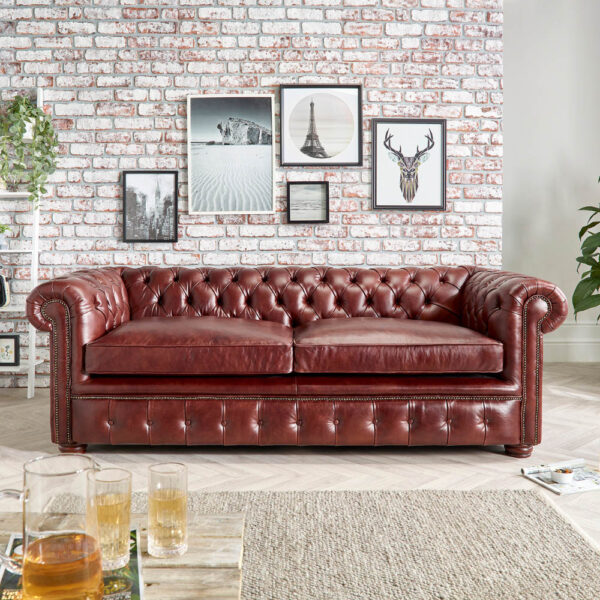
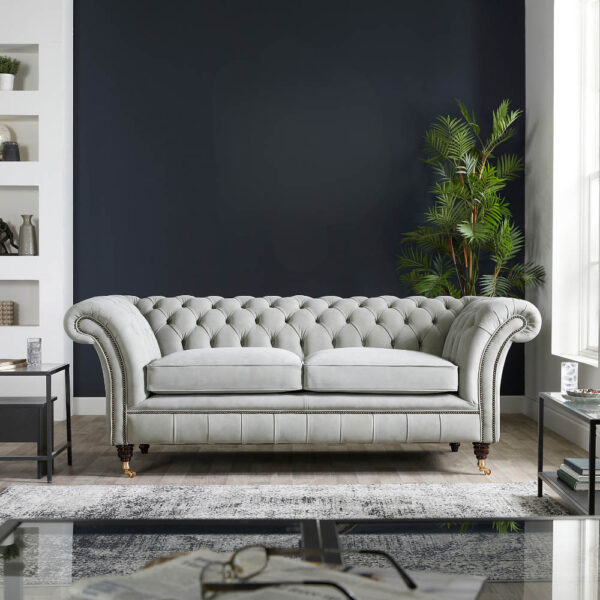
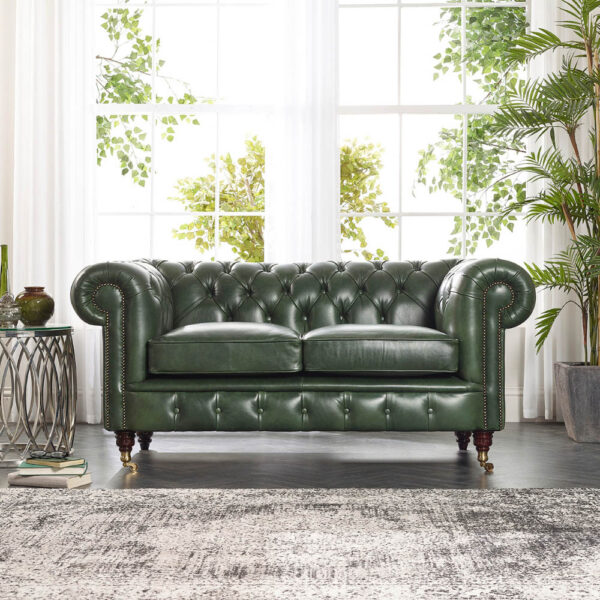
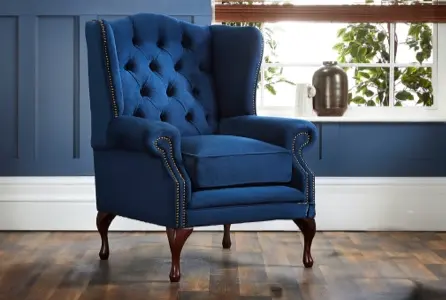
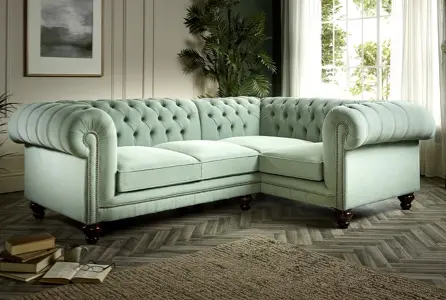
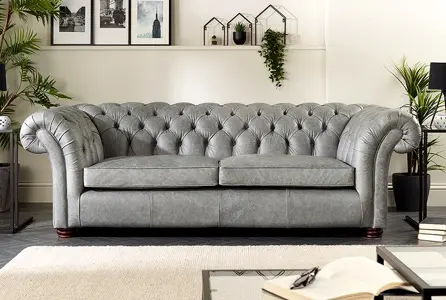
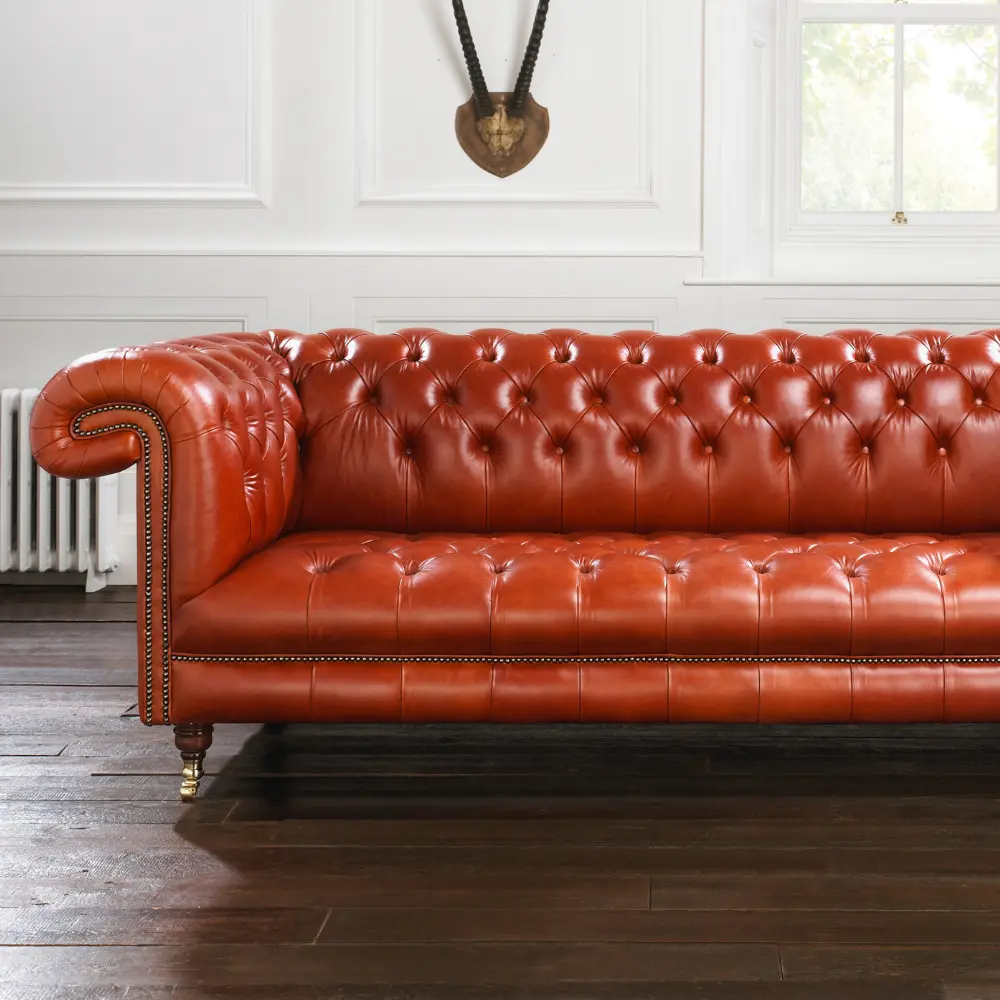
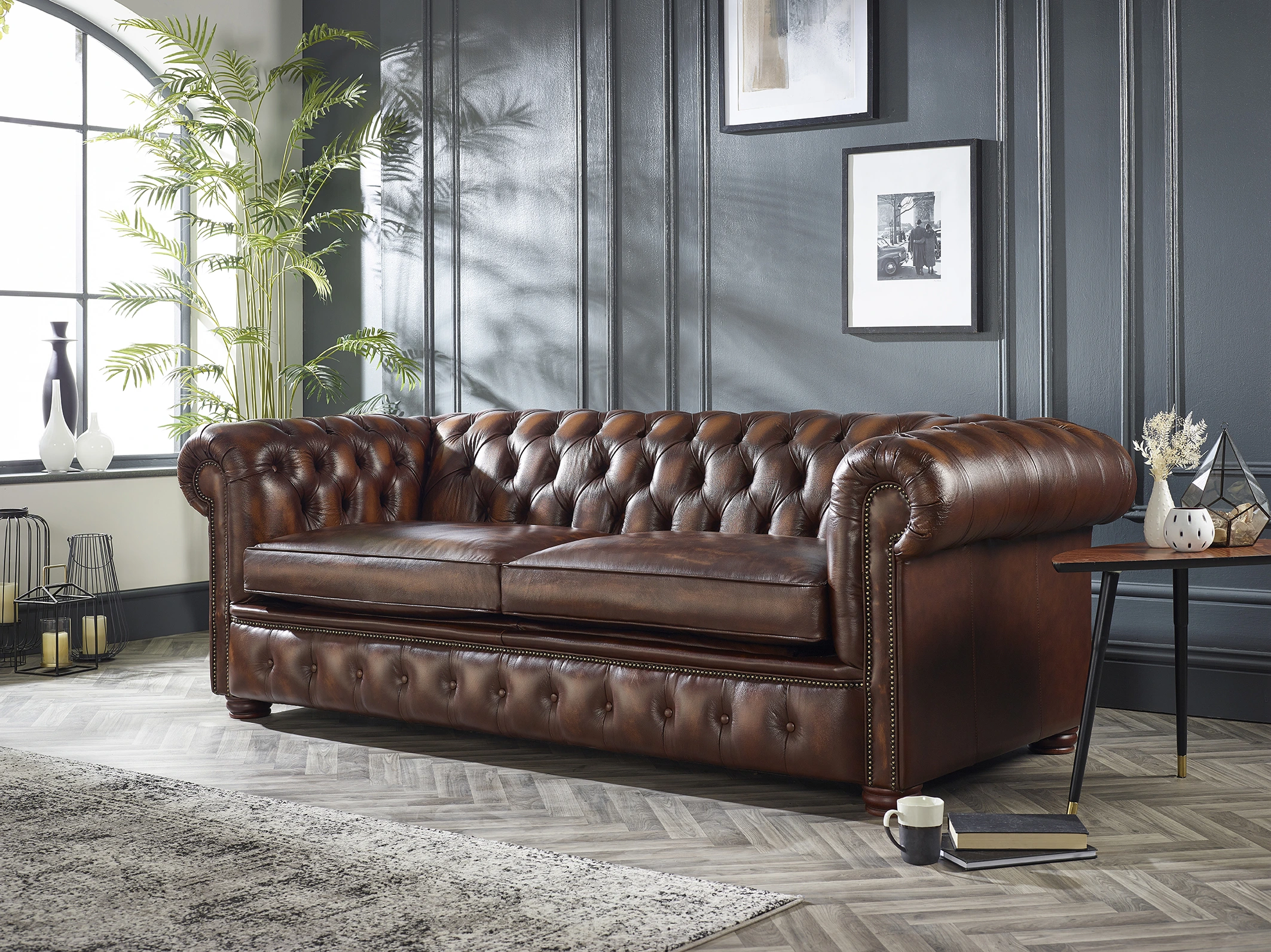
Deep buttoning has become the signature feature of a Chesterfield, but it isn’t there purely for decoration. Each button helps shape the upholstery beneath it, creating the distinctive diamond pattern while keeping the leather evenly tensioned across the surface. It’s surprisingly precise work. A button placed a fraction out of line can throw off the entire design, which is why experienced upholsterers spend so much time getting the spacing exactly right.
The stitching deserves just as much attention. Clean seams, carefully matched leather panels and neatly finished edges all contribute to the finished appearance, even if most people never consciously notice them. Quality often reveals itself in the smallest details.
Better Craftsmanship Means Longer Lasting Leather
Leather naturally changes as the years pass. It softens, develops character and gradually forms the rich patina that many homeowners love. That process happens best when the upholstery underneath provides consistent support.
If the seat isn’t properly constructed, the leather stretches unevenly and begins to crease in places where it shouldn’t. Traditional upholstery helps avoid that. Because the pressure is distributed more evenly, the leather wears naturally instead of becoming distorted. It’s one of the reasons a well-made Chesterfield often looks even better after years of use than it did when it first arrived.
Handmade Furniture Offers Greater Attention to Detail
There are plenty of beautiful sofas available today, but handmade furniture still offers something machines struggle to replicate – time.
A skilled upholsterer can stop, adjust and refine every stage of the build whenever it’s needed. They aren’t working to the pace of an automated production line. They’re working until the sofa feels right. That freedom makes a noticeable difference.
The leather sits more naturally, the buttoning remains symmetrical and the finished sofa carries the kind of subtle quality that becomes more obvious the longer you own it. It’s craftsmanship you notice gradually rather than immediately.
Traditional Upholstery Supports Long Term Value
Buying a handcrafted Chesterfield isn’t just about today’s comfort. It’s about owning furniture that’s designed to stay in your home for decades rather than a few years.
As traditional upholstery uses quality materials throughout, many Chesterfields can be restored or reupholstered long into the future. The frame remains strong, the craftsmanship stays intact and the sofa can enjoy a completely new lease of life without needing to be replaced. That’s becoming increasingly valuable in a world where so much furniture is designed with a much shorter lifespan.
Why It Matters When Choosing a Chesterfield
At first glance, two leather Chesterfields might look remarkably similar. Look a little closer, though and the differences begin to appear.
The way the leather sits, the comfort of the seat, the quality of the buttoning and even how the sofa feels after years of use all come back to the methods used during construction.
Traditional upholstery isn’t simply an old-fashioned way of making furniture. It’s a proven approach that continues to produce sofas built for everyday life. For anyone investing in a bespoke Chesterfield, those hidden details are every bit as important as the leather you see on the outside.
While modern manufacturing has its place, there’s something reassuring about furniture that’s still made with patience, skill and genuine craftsmanship. That’s what gives a Chesterfield its lasting appeal and it’s why traditional upholstery continues to matter today.
At Distinctive Chesterfields, every Chesterfield is handcrafted using traditional upholstery techniques, premium materials and time-honoured craftsmanship. Explore our collection or get in touch with our team today.
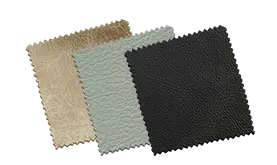
Five samples, posted free Order your swatches
Screens lie about color. Order five leather or fabric swatches and see them in your own light before you spend anything.